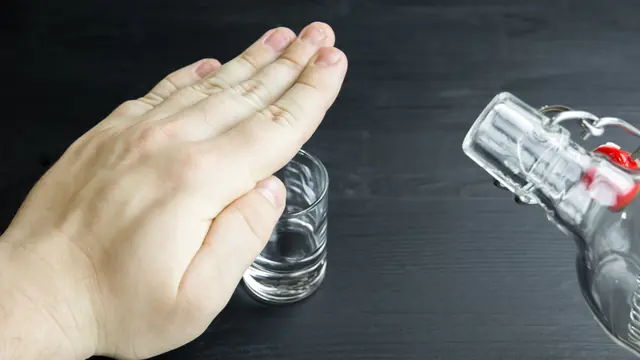
De-addiction
Treating alcohol and drug dependence to medically detoxifying the body in supervised conditions, our experts work on structured relapse prevention.
 Dr. Gorav Gupta
Book Consultation
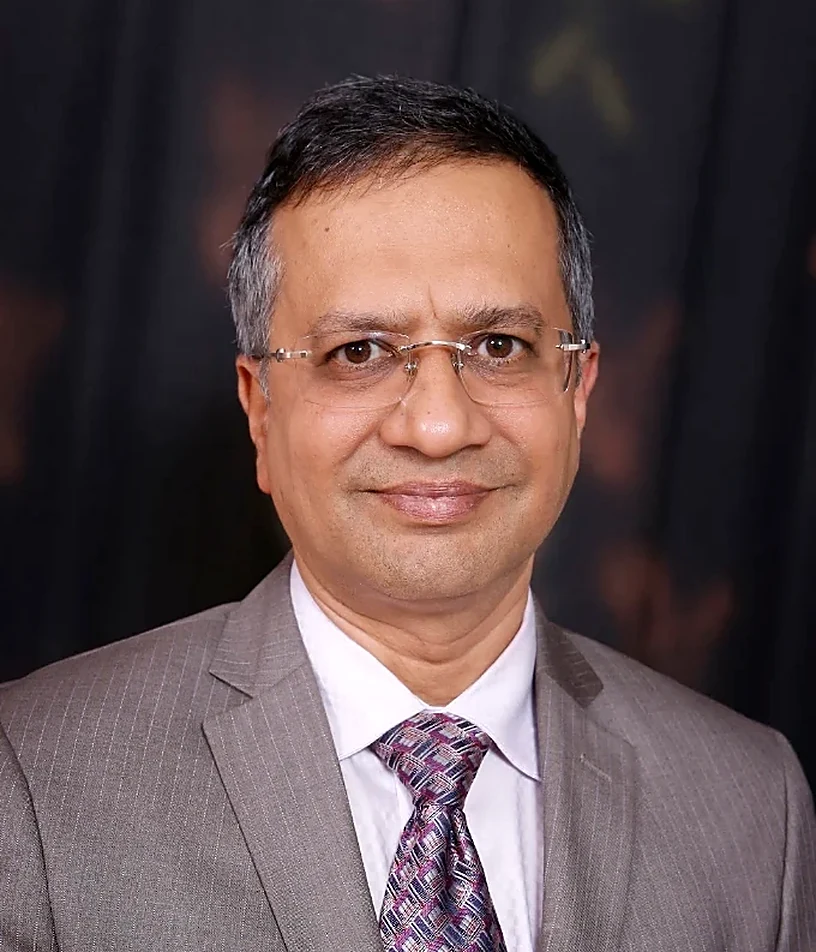
The Best Doctor in Delhi NCR and Founder of Tulasi Healthcare, in practice since 1997. Known for his work in de-addiction, dual diagnosis and rehabilitation, he serves on the National Task Force on Brain Health at NITI Aayog.
Areas of Expertise
We’d like you to pick something from this list that you feel is your current concern. Each one is directed towards solutions made specifically for it.
There are many services that our team can help you with. Let’s explore some of the major issues that we tackle on a everyday basis.
Treating alcohol and drug dependence to medically detoxifying the body in supervised conditions, our experts work on structured relapse prevention.

Dual diagnosis is a process that works on identifying a psychiatric condition that exist due to a substance abuse issue.

Schizophrenia is an illness that targets reality and perception and alters you chronically.

Previously called by the name of manic depressive illness, the care in bipolar disorder is something that is built around the issues that they are currently facing.
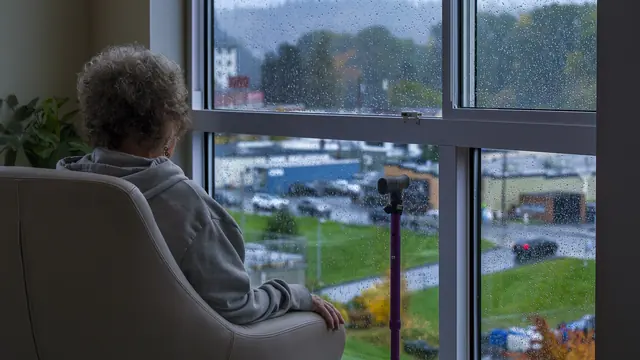
Depression itself is a disorder, not just a phase of life that you existed.

Anxiety and obsessive compulsive disorder has a range of stress that sits beneath it and drives it.
CBT , Deep TMS , Biofeedback , Stress management
A personality disorder alters the overall presentation of a person, including his behaviour, thoughts, perceptions, and their way of actually forming a thought around the world they are in.

In this kind of disorder, a person has a negative perception towards food and they consider your body image of utmost importance and cannot concentrate on anything else.
Not sure that your concern lies in this list? Tell us what is happening with a consultation today and will make sure to guide you in the right direction.
Areas of care with Dr. Gupta
My loved one is consuming drugs on a regular basis
Treating alcohol and drug dependence to medically detoxifying the body in supervised conditions, our experts work on structured relapse prevention.
The process itself is not difficult, but what comes after during recovery definitely is.
Areas of care with Dr. Gupta
Dual diagnosis is a process that works on identifying a psychiatric condition that exist due to a substance abuse issue. These conditions are very codependent and one cannot be treated without the treatment of the other. These are very chronic cases and are managed over a long period of time under our care at Tulasi Healthcare.
Areas of care with Dr. Gupta
Someone new love is having issues being in touch with reality, facing hallucinations, or perceptual difficulties
Schizophrenia is an illness that targets reality and perception and alters you chronically. It is a condition that asks you for more of a continuing treatment rather than intensive one. Acute issues can be stabilised, but a long-term goal is to identify issues and remove the condition from the root itself.
Areas of care with Dr. Gupta
My mood swings have been uncontrollable
Previously called by the name of manic depressive illness, the care in bipolar disorder is something that is built around the issues that they are currently facing. Every situation is different for them and every person who faces the condition is also different. The treatment shapes around the condition a person is in between their episodes.
Areas of care with Dr. Gupta
I have felt my energy get low constantly for weeks
Depression itself is a disorder, not just a phase of life that you existed. Assessment can help in understanding how depressive illness is different from the ordinary times where we feel low. It is often mistaken for a sadness that will pass on its own.
Areas of care with Dr. Gupta
My worry is out of control, and I cannot seem to get it under manageable circumstances
I feel I cannot switch off my mind until and unless I do some specific stuff my mind tells me to.
Anxiety and obsessive compulsive disorder has a range of stress that sits beneath it and drives it. It may be related to a genuine concern or may actually come from a free floating issue that the person has himself not identified yet. It can be treated with the combination of medication and behaviour therapy.
Areas of care with Dr. Gupta
Relationships and emotional capacities are unstable
A personality disorder alters the overall presentation of a person, including his behaviour, thoughts, perceptions, and their way of actually forming a thought around the world they are in. Presenting itself in borderline, narcissistic, and schizotypal types, the presentation is more continued rather than an episode one. The work of treatment here is very relational, time consuming and measured over a long period of time.
Areas of care with Dr. Gupta
You are facing concerns related to food and not able to tackle a healthy body image
In this kind of disorder, a person has a negative perception towards food and they consider your body image of utmost importance and cannot concentrate on anything else. It is a very serious and life-threatening condition if unattended. It presents itself in some different manifestations like – anorexia nervosa, bulimia nervosa, and binge eating disorder.
Your care begins with a conversation, then follows a plan shaped around your needs and progress.
We discuss your symptoms, concerns and health history to understand what support may help.
Your clinician recommends an approach based on your condition and individual needs.
Progress is reviewed at regular follow-ups, with family involved when appropriate.
Treatment is planned around individual needs. These modalities may be recommended as part of a broader care plan.
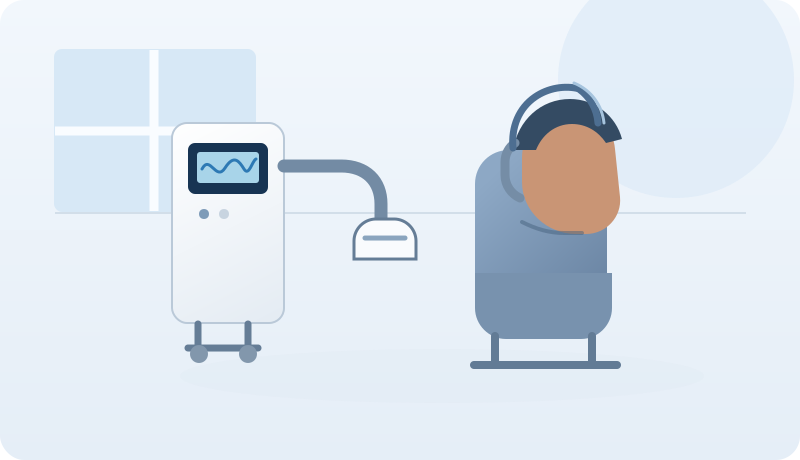 Deep TMS (dTMS)It is a non-invasive treatment that works through magnetic stimulation of the brain. It targets areas which are linked to a specific condition that is to be treated. At Tulasi Healthcare, we offer it for depression and OCD.
 Modified ECTElectroconvulsive therapy is a treatment that is given under local anaesthesia and requires a lot of monitoring due to its severe procedure. It is a very old but recognised treatment plan. Many people take this under consideration when any other treatment plan has not worked.
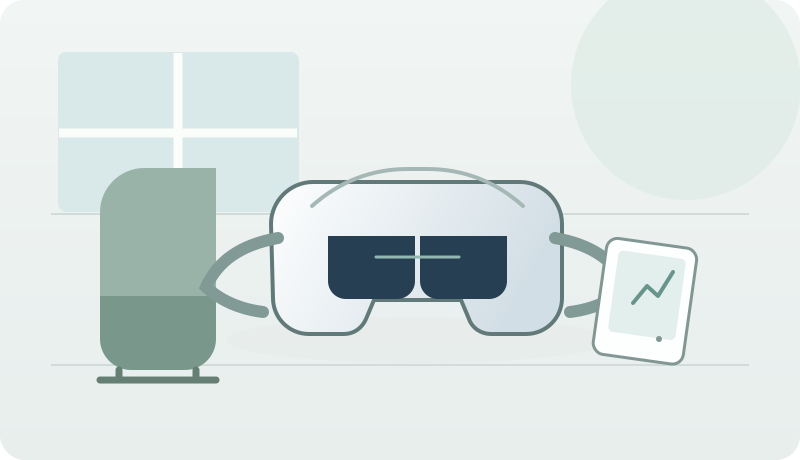 Virtual reality therapyVirtual reality therapy taps into understanding and treating a condition using virtual reality, gradually exposing a person to their issues in a safe and guided environment. It targets conditions where that situation can cause them distress and a person is able to help them manage it.
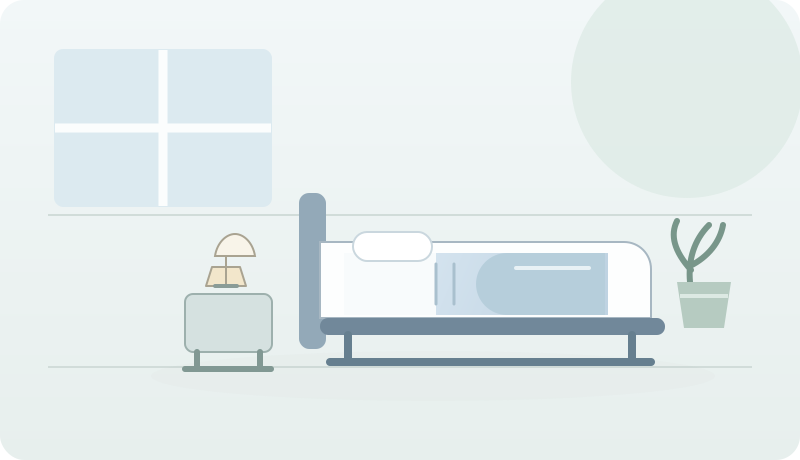 IPD (In-patient)If you’re looking for a short-term or long-term admission, where you can add safety and continuous care to your loved ones treatment plan, IPD is the best way to do that. We provide individualised care at our setting and we have built a very supportive environment for the same.
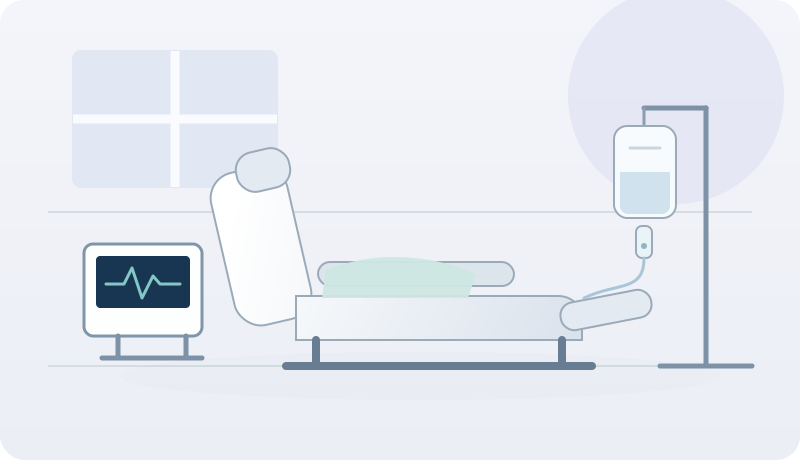 Ketamine therapyDoes this sound like you?If your low mood and anxiety have not eased with treatment so far, ketamine therapy may be worth a conversation with a qualified psychiatrist.Ketamine therapy uses very small, controlled doses of ketamine, given under supervised conditions, to treat treatment-resistant depression, severe anxiety and PTSD. It targets the brain’s glutamate system and can relieve symptoms within hours, unlike traditional antidepressants and other medications. It is typically combined with psychotherapy and delivered only in medical settings.
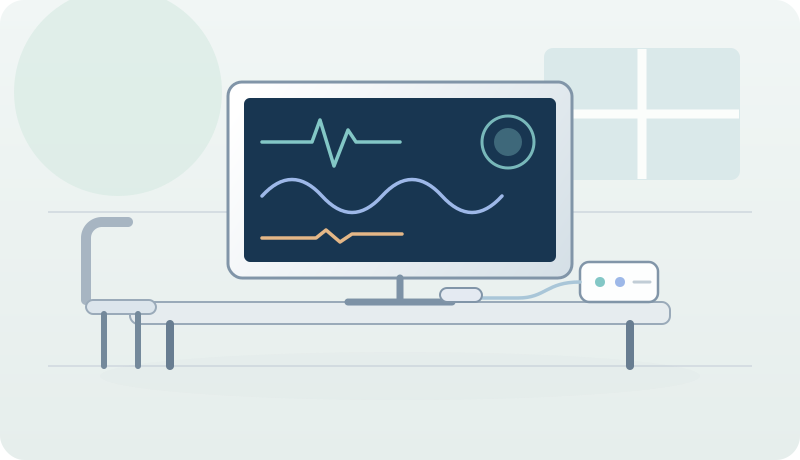 BiofeedbackDoes this sound like you?If stress, tension and racing thoughts are part of your daily routine, biofeedback can be a useful tool to explore with a trained professional.Biofeedback is a non-invasive technique that tracks body signals with sensors, such as heart rate, breathing, muscle tension and skin temperature. It shows you the results in real time and helps you see where the problem lies. With guided practice, you learn to understand and regulate your thoughts and responses. It helps reduce anxiety, stress and chronic pain. It is drug-free and often used alongside therapy.
 Cognitive retrainingDoes this sound like you?If you have trouble concentrating, remembering information and feel your day is disorganised most days, cognitive retraining can help you rebuild it.Cognitive retraining is a set of exercises and strategies that improve mental functions like attention, memory, problem-solving and planning. A trained therapist guides you through repeated tasks at a graded level to strengthen your thinking skills. It can help with brain injury, schizophrenia, depression and other psychiatric and neurological conditions. It is an important tool for people regaining independence after a long period of chronic illness.